-
Appelez-nous +86-755-2543 2352
-
Envoyez-nous un email info@urbanmines.com
-
Venez nous rendre visite No. 11, Bld. C, Hengmingzhu Tech. Industrial Park, Shajing Subdistrict, Bao'an District, Shenzhen, Guangdong, China
Appelez-nous +86-755-2543 2352
Envoyez-nous un email info@urbanmines.com
Venez nous rendre visite No. 11, Bld. C, Hengmingzhu Tech. Industrial Park, Shajing Subdistrict, Bao'an District, Shenzhen, Guangdong, China
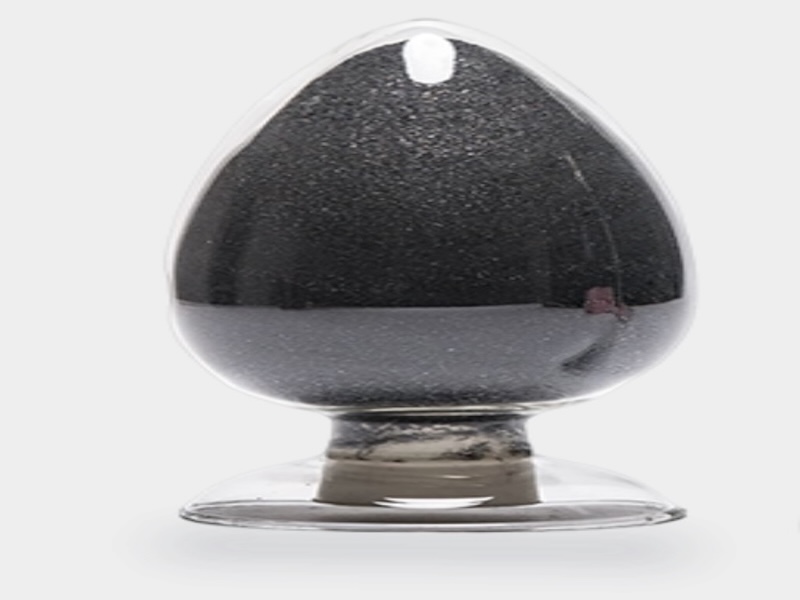
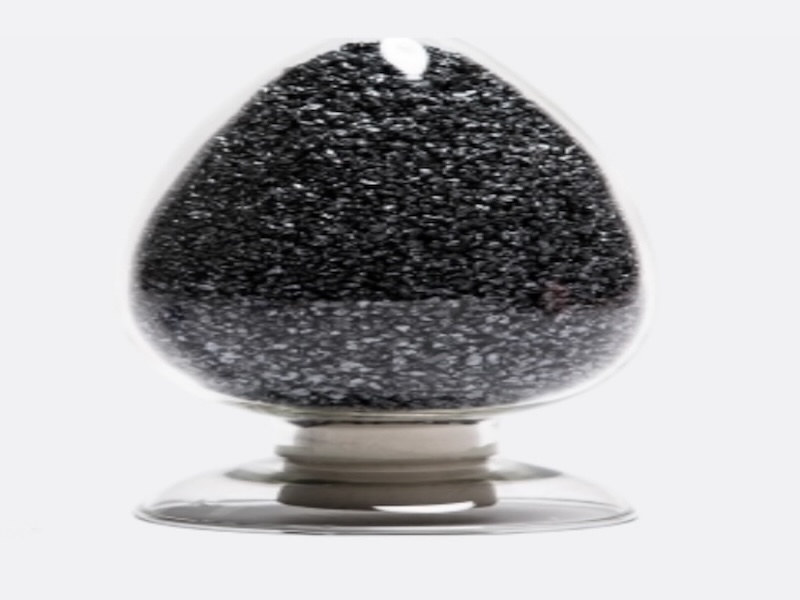
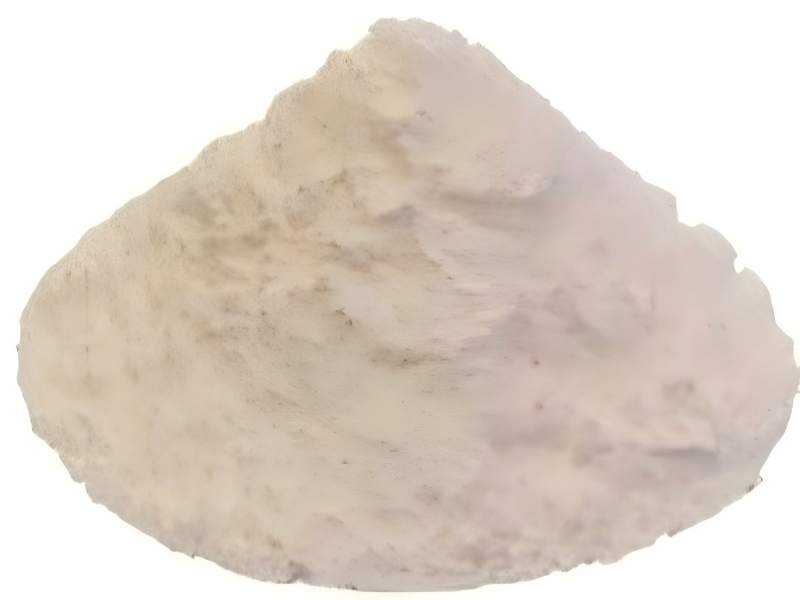
Le bore possède deux isotopes naturels stables : le ¹⁰B et le ¹¹B. Chimiquement identiques, ils présentent une valence, une réactivité chimique, une capacité de coordination, des caractéristiques de liaison et un comportement chimique similaires dans tous les types de composés, ce qui les rend indiscernables dans les conditions chimiques ordinaires. Ils ne diffèrent significativement que par leur masse atomique, leurs propriétés physiques nucléaires et quelques paramètres thermodynamiques mineurs, dus au nombre différent de neutrons dans leurs noyaux.
Le ¹⁰B possède une masse atomique plus faible, une section efficace d'absorption des neutrons thermiques extrêmement élevée et une forte capacité de capture neutronique. Ses produits d'activation après réaction nucléaire sont minimes et ne laissent aucun résidu radioactif à longue durée de vie. Des effets isotopiques observables existent par rapport au ¹¹B au niveau de propriétés thermodynamiques mineures telles que la pression de vapeur et le coefficient de diffusion.
Le ¹¹B possède une masse atomique plus élevée et une section efficace d'absorption des neutrons thermiques extrêmement faible, ce qui le rend quasiment transparent aux neutrons. Il présente une très faible activation en milieu radiatif et une excellente résistance à l'irradiation. Il est également plus inerte nucléairement, sa structure physico-chimique se dégradant moins sous une irradiation neutronique intense. Hormis sa masse isotopique et ses caractéristiques nucléaires, ses autres propriétés physiques et chimiques macroscopiques sont très similaires à celles du ¹⁰B.
Restez à jour



droits d'auteur @ 2010-2026 UrbanMines Tech. Co., Ltd. Tous droits réservés .
 IPv6 RÉSEAU PRIS EN CHARGE